
Coping skills and resilience
Why do young people need coping skills?
As children grow into preteens and teens, they face many new challenges—some of which may feel overwhelming. As a parent, you can help your kids develop the skills to manage powerful emotions and stressful situations.
Learning coping skills gives kids the time to think before they act and help them manage their emotions and behavior. Coping skills can help young people handle stressful moments and support their emotional wellbeing.
What are coping skills?
Coping skills are the ways people regulate their emotions and behavior in stressful situations. It’s hard to think clearly and stay calm while feeling intense emotions like fear, frustration, shame, or guilt. Coping skills help people lower their stress levels so they can choose how to respond.
For kids, coping often starts with having a support system they can turn to for help—and knowing when to ask for help.
What is resilience?
Resilience refers to a person’s ability to recover from difficult situations or adapt to change. You can think of it as the ability to “bounce back” after something stressful. Learning coping skills helps kids and teens build resilience.
How can I help my child develop coping skills?
Everyone will experience challenging circumstances and feel strong emotions. Being able to manage stress in healthy ways is a skill your child will need throughout their life. It will help them stay grounded, make decisions, and solve problems.
Without coping skills, they may try to manage stress in ways that can hurt them or create more problems.
As you help your child develop coping skills, be mindful of your own habits for managing stress, because you are a role model for your child. Children may copy the coping strategies—healthy or unhealthy—that the adults around them use. (Source: Child Mind Institute)
Examples of healthy coping skills include:
- Positive self-talk
- Deep breathing
- Creative expression (such as doodling, drawing, or writing in a journal)
- Self-care (such as taking a shower or painting your nails)
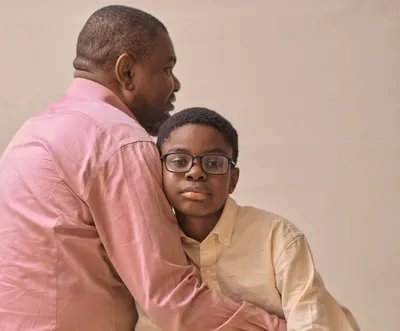
- Seeking comfort (such as cuddling a pet or getting a hug)
- Listening to music or watching a favorite movie/TV show
- Exercise (including playing a sport, dancing, or taking a walk)
- Talking with a friend, school counselor, therapist, or trusted adult
Encourage your child to try different coping skills so they can see which ones they find helpful.
How can I share my coping strategies with my child?
As a parent, you can help your child develop coping skills by sharing how you cope with stress. For example, you might say, "I had a tough day at work, so I'm going to take a walk to clear my mind."
Leading by example doesn't mean hiding negative emotions from your child. You can share what you’re feeling, whether it’s anxious, sad, or angry, and then explain how you are going to manage those emotions. At first, it may take real effort for you or your child to slow down and focus on healthy coping strategies in response to stress, but this becomes easier with practice.
Also, remember that coping skills are personal. What works for you may not work for your child.
If you make mistakes, forgive yourself. Strong emotions are hard for everyone to process. Even if you respond poorly to a stressful situation, you can talk with your child about how you could have handled it better.
Why do kids need a support system?
When young people feel overwhelmed, they need to know that they aren’t alone. Talking with your child about the people they trust can help them recognize that support is available when they need encouragement, advice, or someone to listen. Your child’s support system may include close friends, family members, and trusted adults, like a teacher, coach, counselor, or therapist.
Encourage your child to come to you—or someone else in their support system—whenever they need to talk, and let them know that everyone in their support system cares about them.
How can I bond with my child?
Every parent/child relationship is different. Some parents feel very close to their children, while others are more distant. This is normal, and these bonds often change over time. Many factors affect parent/child bonds, including social influences and expectations.
No matter how bonded you feel with your child, you can take steps to strengthen that bond. Express curiosity about their life, support their interests, and find ways to spend time together. For example:
- If your child likes outdoor activities, plan a hike or explore a local nature reserve together.
- If your child plays sports, you might suggest doing something active together—or make plans to go to a game together.
- If your child likes gaming, you could ask them to teach you a game they like and share the tricks they’ve learned.
- Find a local class or workshop related to your child’s favorite hobby—whether it’s crafting, coding, dancing, or cooking—and take it together.
Helpful resources
- How to Model Healthy Coping Skills | Child Mind Institute
- How Can We Help Kids With Self-Regulation? | Child Mind Institute
- How to help children and teens manage their stress | American Psychological Association
- Building Resiliency: 6 Ways To Boost Your Teen’s Confidence and Coping Skills | Cleveland Clinic
Get started
Now that you know more about coping skills and resilience, take these next steps to start having conversations with your kids.