

Start meaningful conversations about emotions
Take action to help your child move beyond “I’m fine.”
How can I start conversations with my child?
Look for a natural opening. Everyday moments with your child can easily turn into conversations about their emotional wellbeing. For example, if your child shares something that’s happening with a friend or classmate, you can ask them how that makes them feel or whether they’ve experienced something similar. Even watching a TV show or movie together can be a chance to talk about how they relate to characters' experiences or emotions.
If your child turns the question around and asks if you’ve ever felt that way, use the opportunity to talk about your own experiences and emotions. Be open and honest in an age-appropriate way that doesn’t put an emotional burden on your child.
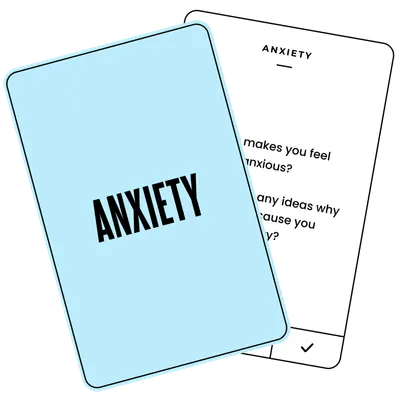
Ease into the conversation
Jumping into a conversation about emotions can be intimidating—especially for a child. Our Conversation Starter Pack is an interactive resource, available in English and Spanish, that empowers parents, caregivers, trusted adults, and young people to have thoughtful discussions. It includes reflection questions, dialogue prompts, and activities everyone can take part in.
Why are open-ended questions helpful for starting conversations?
Open-ended questions encourage meaningful responses instead of short, one-word answers like “Yes” or “No.” Rather than making a statement like “Tell me about your day,” start conversations by asking an open-ended question like "What was the most interesting thing that happened at school today?" or "What did you and your friends talk about?" Keep the conversation flowing with follow-up questions like “How did that make you feel?”
If your child seems uncomfortable or intimidated when you ask direct questions, try asking more general questions that may help them open up. If your child seems reluctant to talk face to face, a text message can be a simple way to open the door. They may find it easier to respond when they have the time to think through what they want to say.
How can I tailor the conversation to my child’s interests?
Talking with your child about the things that interest them shows them that you care. Discussing (and participating in) their interests and activities can help you bond with your child and strengthen your relationship with them.
For example, if your child is excited to see a certain movie, you could see it together, and then talk about what you liked and disliked about the story. Or if your child loves a particular video game, you could ask them to teach you how to play it. Even if these conversations aren’t directly about your child’s emotions, they can help your child feel more comfortable talking with you about emotional topics in the future.
Doing activities together can also provide a natural opening for conversations, since talking may feel more natural when you’re busy with a shared activity like baking or playing a game.

Try the ‘roses and thorns’ conversation model with your child
If your child is hesitant to share their emotions, try starting with the “roses and thorns” conversation model. This is a great way to initiate a broader conversation about feelings. To start this, ask your child to identify:
- One part of their day that they thought was great (roses).
- One part they felt was difficult (thorns).
If your child hesitates, share your own roses and thorns first.
How can I create a safe space for conversations with my child?
Let your child know that you’re there to listen, not to blame or judge them. Establish a safe environment where they know they won’t get in trouble for how they’re feeling. Let them know it’s okay to make mistakes and that we can learn from them. And if your child isn’t ready to talk about something, it’s okay to try again another time.
How can I stay calm during difficult conversations?
Be patient with your child in conversations, even if they say something surprising, upsetting, or hurtful. Avoid taking the things your child says personally and reacting with frustration, judgment, or disapproval. Focus on listening with empathy.
While you may have a strong reaction to what your child shares, remember this: The greatest gift you can offer an upset child is your steady presence. If needed, find someone to help you process your own emotions, like a friend, family member, or therapist. Talk with your child at a later time when you are both in a calm place.
Sometimes anger, stress, and other complicated emotions can come out in unhealthy expressions like yelling and hitting. Make sure to validate the feelings they are experiencing while also communicating that how they are expressing them is not okay.
If you need a break from a stressful conversation, take it, and let your child know why. Explain that you need a little time to calm down, and that stepping away for a few minutes is one of your coping skills. This lets them know that you aren’t abandoning the conversation or walking away out of anger.

How can I let my child lead the conversation?
It's never easy to watch your child go through hardships, especially if you don’t know the whole story. You might want more information about the situation, but trying to get reasonable responses out of a child while they're feeling overwhelmed is rarely productive. Offer comfort and support, let them know you’re willing to listen, and be patient.
When your child is calmer, ask what usually helps them feel better in stressful situations. Is it helpful to journal, talk things through with a friend, or take a walk until they feel more relaxed? Share how you manage strong emotions, and help your child develop coping skills[1] so they can become more resilient.

How can I share my own experiences with my child?
When you share things you have gone through and how you navigate your emotions, you model to your child that it’s ok to express themselves while also helping them learn how to do so. Your vulnerability also helps them feel like they can be open with you, too. However, be mindful that you are not unloading frustrations on your child or making them feel like they need to support you, which can harm their development and wellbeing. As an adult, you are part of your child’s support system, but it’s not appropriate for them to be yours.
How can I let my child know I appreciate when they open up to me?
After your conversations, always let your child know that you're glad they opened up to you. This can encourage them to open up to you again next time.
How can I keep these conversations going?
Make talking with your child a daily habit. This will make it easier to help them when challenges arise.
You can help your child feel safe expressing and talking about different emotions by talking with them about your own emotions in an age-appropriate way. Let them know that whether they are happy, sad, or angry, it’s okay to feel and talk about these emotions.